
Saving energy. Tips for tenants.
Pleasant lighting and a comfortable room temperature – we all like to have it cosy at home. To achieve this, both electricity and water are required. Out of consideration for the environment and our finances, however, it is important to be economical. This is easier than you might think. Read on for some valuable tips on how to save energy as a tenant.
Topics
At a glance
Why is saving energy important for tenants?
As a tenant, you generally have to pay the ancillary costs for your rental apartment yourself – and that includes electricity and water consumption. As energy prices have risen continuously over recent years, high energy costs have been burning an ever-greater hole in our wallets. It therefore makes sense to take targeted measures to reduce your rental expenses, such as heating efficiently and adopting a conscious approach to the use of warm water. Not only will this save you money on your variable costs; you will also be doing a good deed for the environment, which makes it doubly worthwhile.
Which measures help to save electricity?
Does being energy-efficient sound complicated and hard work? In actual fact, it isn't. Even small adjustments to your lighting and household appliances can tangibly reduce your energy consumption.
Swap light bulbs for LEDs
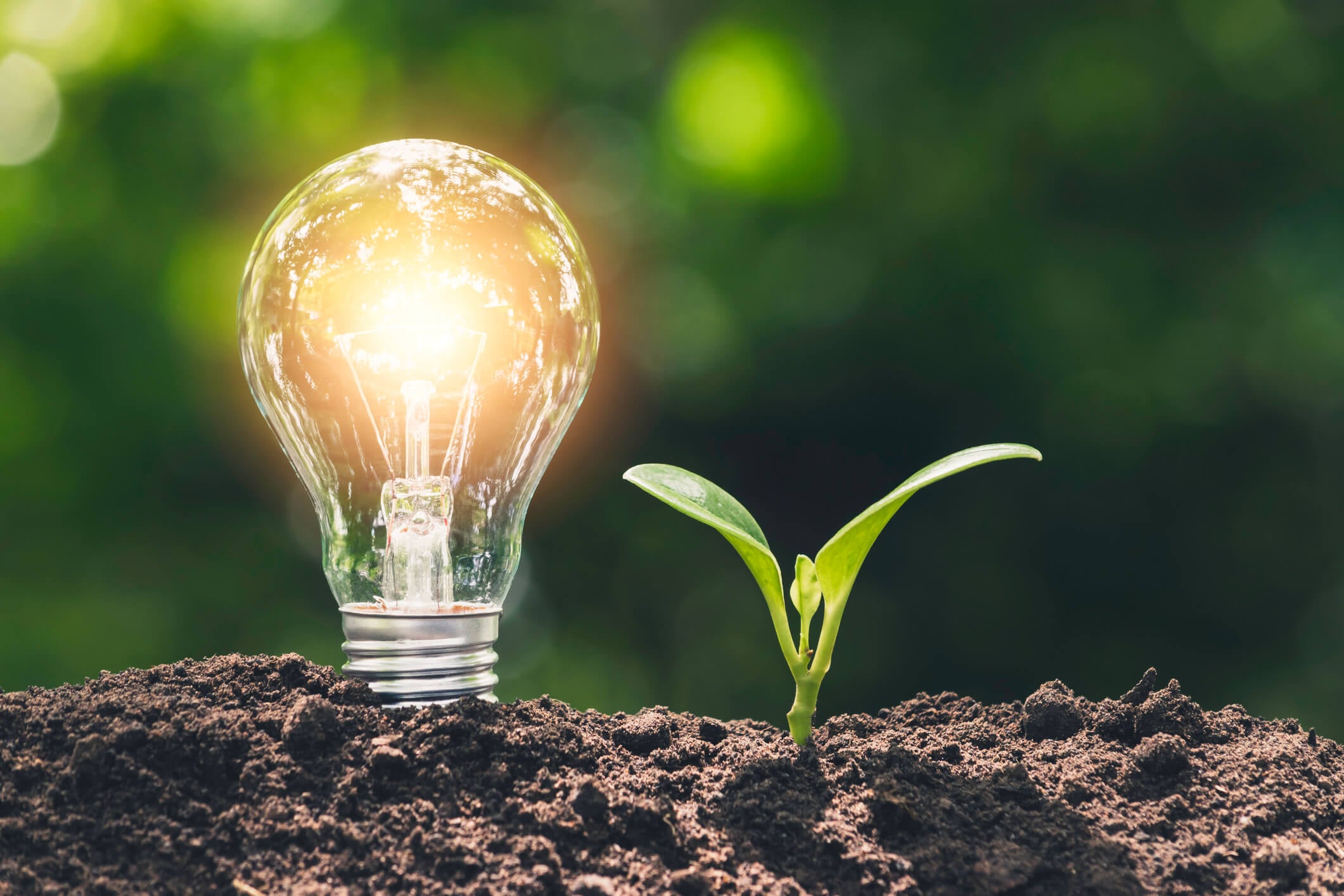
Switching from traditional bulbs to LED lights reduces electricity consumption for lighting by up to 80 percent. LEDs also have longer lifespans, so the investment pays itself off quickly.
Switch the light off when you leave a room
A simple but effective trick is to only turn the lights on at home when you really need them. Lights are often left on unnecessarily, especially in little-used spaces like hallways and bathrooms.
Turn off multiple devices at the same time with a power strip
Many household appliances continue to use electricity when they are seemingly switched off – this is known as "standby power". Particular culprits here are consumer electronics like TVs, computers and coffee machines. A simple solution is to use switchable power strips, which enable you to completely switch off multiple devices at the same time.
Optimise your fridge and freezer settings
Having the right temperature setting on your cooling devices saves energy without impacting food quality. The ideal temperatures are 7°C for the fridge and -18°C for the freezer. Regularly defrosting the freezer further reduces electricity consumption.
Use energy-saving programmes on washing machines and dishwashers
Modern household appliances have special energy-saving programmes that optimise water and electricity consumption. Only run the washing machine and dishwasher when they are fully loaded. This maximises efficiency and avoids unnecessary wash cycles. And if possible, pay attention to when the off-peak electricity rates apply in your municipality, as this will enable you to further reduce your electricity costs over the year as a whole.
How can I cut my heating costs?
Efficient heating doesn't only save money; it also creates a pleasant atmosphere in your home.
Instead of leaving windows permanently tilted open, you should throw them wide open for a short period several times a day. Five to ten minutes are sufficient to exchange the air without cooling down the room too much.
You should also take care not to place furniture in front of your radiators and be sure to open curtains and blinds in the winter in order to take advantage of the sun's heat.
Saving water: here's what you can do
In addition to electricity and heating expenses, you can also cut costs by reducing your water consumption. Hot water in particular is a hidden energy guzzler. This is because it takes a lot of energy to heat water. You can significantly reduce your water consumption by taking a few simple steps:
- Shower instead of bathing: as long as you don't spend half an hour under the hot water, showering uses around 50 to 70 litres of water. A bath, on the other hand, can easily consume up to 150 litres.
- Eco shower heads: a water-conserving shower head will enable you to cut water consumption by up to 50 percent – without any reduction in comfort.
- Turn off taps: the sound of trickling water may be calming, but it is still important to turn off the tap when brushing your teeth or applying soap. This will save up to six litres of water per minute.
Conclusion
Saving energy is easier than many people think. And it is worthwhile both financially and for the environment. Simple day-to-day changes can significantly reduce your energy consumption:
You might also be interested in
Recognising fake apartment ads
Recognising fake apartment ads: ✓ Seeing through scams ✓ Warning signs ✓ What to do if you fall victim to fraud?
Checklist for flat handover
Checklist for flat handover: ✓ Key points for the kitchen, bathroom and outdoor areas ✓ Avoid defects ✓ Ensure proper handover.
Avoiding excessive moisture in your apartment
Avoiding excessive moisture in your apartment: ✓ Understand the causes ✓ Avoid damage ✓ Ventilate and heat correctly.